
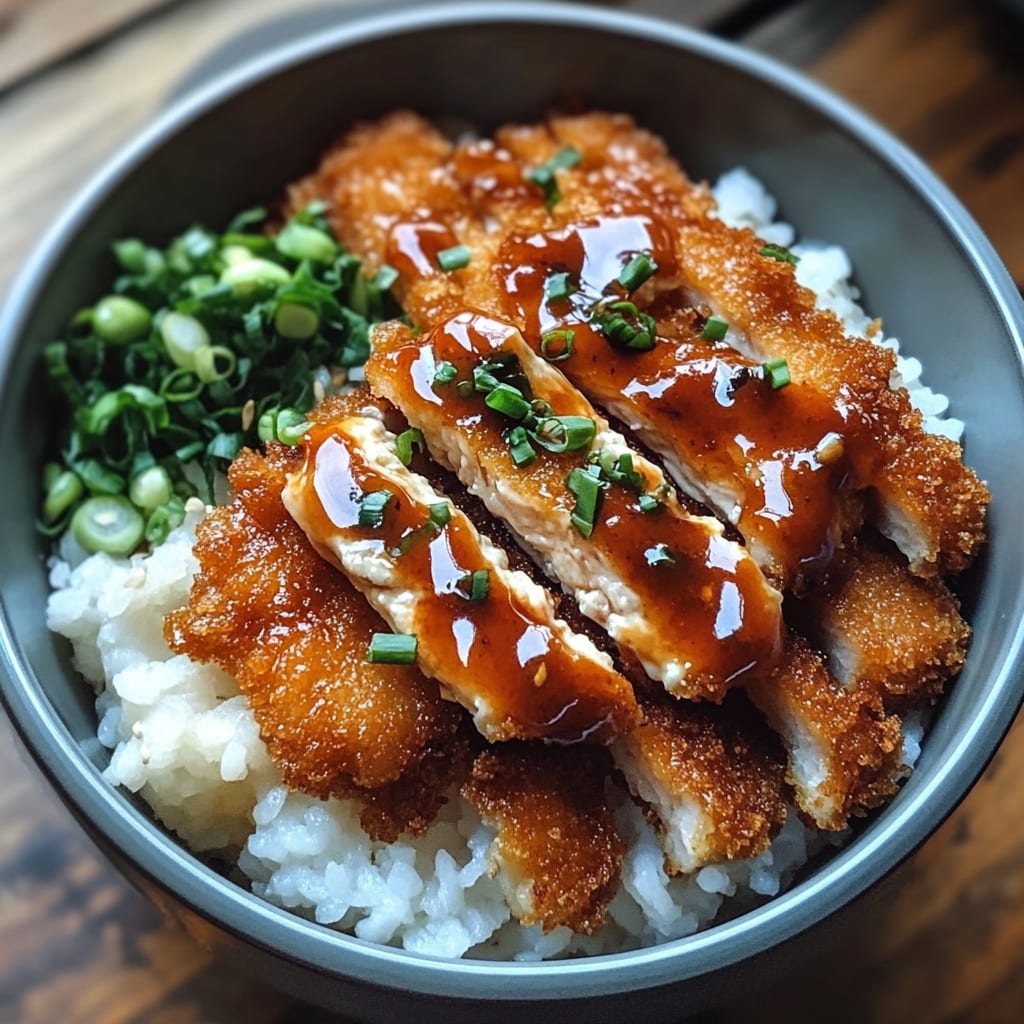
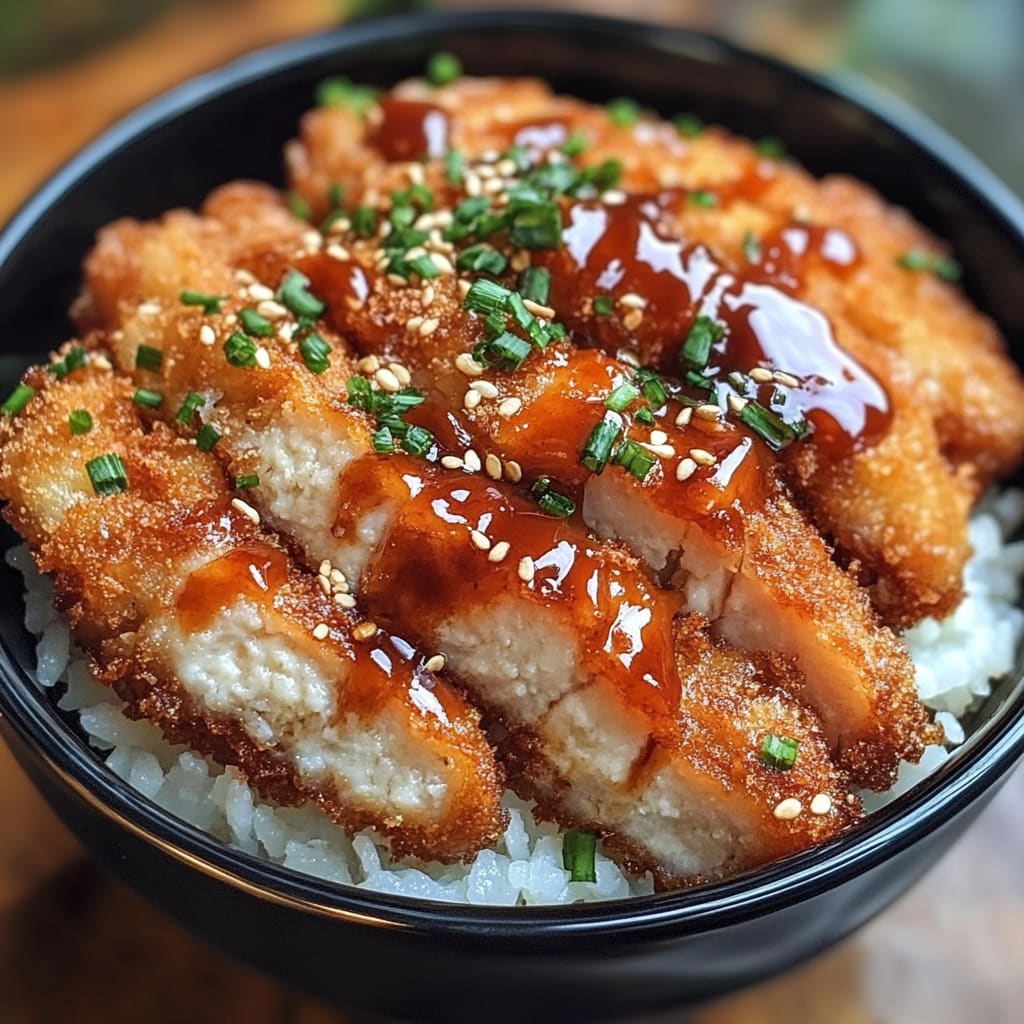
Imagine sinking your teeth into perfectly crispy, golden-brown panko-crusted pork cutlets drizzled with rich, tangy Japanese Katsu Bowls with Tonkatsu Sauce that brings an explosion of umami flavor with every bite. This beloved Japanese comfort food combines satisfying textures with a delicate balance of sweet and savory elements, all served over a bed of steaming white rice. Whether you’re new to Japanese cuisine or a seasoned enthusiast, these Japanese Katsu Bowls with Tonkatsu Sauce will transport your taste buds straight to Tokyo. You’ll learn how to achieve that signature crunch, master the authentic tonkatsu sauce, and create a restaurant-quality meal right in your own kitchen.
Why You’ll Love This Recipe
These Japanese Katsu Bowls with Tonkatsu Sauce deliver on all fronts – texture, flavor, and satisfaction. The contrast between the ultra-crispy panko exterior and the juicy, tender meat inside creates an irresistible textural experience that keeps you coming back for more. The homemade tonkatsu sauce brings a perfect harmony of sweet, tangy, and umami notes that commercial versions simply can’t match.
What makes this recipe truly special is its accessibility. Despite its impressive presentation, katsu bowls are surprisingly straightforward to prepare at home with ingredients you can find at most grocery stores. The double-breading technique ensures foolproof crispiness every time, even if you’re new to deep-frying.
Plus, these bowls are endlessly customizable – swap in chicken for a lighter option or add colorful vegetables for a complete meal. The vibrant presentation makes for an Instagram-worthy dish that looks as good as it tastes, perfect for impressing guests or treating yourself to a special weeknight dinner.
Ingredients
For the Katsu:
- 4 boneless pork loin chops (about 6 oz each), ½-inch thick
- ½ teaspoon salt
- ¼ teaspoon freshly ground black pepper
- 2 large eggs, beaten
- 1 cup all-purpose flour
- 2 cups panko breadcrumbs
- Vegetable oil for deep-frying (about 2 cups)
For the Tonkatsu Sauce:
- 3 tablespoons ketchup
- 3 tablespoons Worcestershire sauce
- 1½ tablespoons oyster sauce
- 1 tablespoon soy sauce
- 1 tablespoon mirin (Japanese sweet rice wine)
- 1 tablespoon sugar
- 1 teaspoon Dijon mustard
For the Bowls:
- 4 cups cooked short-grain Japanese rice
- 2 cups finely shredded cabbage
- 1 carrot, julienned
- 2 green onions, thinly sliced
- Pickled ginger (optional, for serving)
- 1 tablespoon toasted sesame seeds
Pro Tips
Achieving restaurant-quality Japanese Katsu Bowls with Tonkatsu Sauce hinges on three critical techniques. First, the proper pounding technique is essential – place your pork between two sheets of plastic wrap and gently pound to an even ½-inch thickness. This ensures uniform cooking and tenderizes the meat without destroying its texture. Use the flat side of a meat mallet and work from the center outward with controlled, even pressure.
Second, maintain the perfect oil temperature between 340-350°F throughout the frying process. Too hot, and the panko will burn before the meat cooks; too cool, and the katsu will absorb excess oil, becoming greasy. Use a kitchen thermometer and adjust your heat as needed between batches. Let the oil return to temperature before adding the next cutlet.
Finally, the double-breading process deserves special attention. For the crispiest katsu, use one hand for wet ingredients and one for dry to prevent clumpy breadcrumbs. After the initial breading, let the cutlets rest for 5 minutes before a second dip in egg and panko. This creates an incredibly crunchy exterior that stands up to the sauce without becoming soggy, giving you that signature katsu texture.
Instructions
Step 1: Prepare the Meat
Begin by placing the pork chops between plastic wrap and gently pound them to an even ½-inch thickness. Season both sides with salt and pepper, then let them sit at room temperature for 15 minutes. This helps the meat cook evenly and ensures your Japanese Katsu Bowls with Tonkatsu Sauce have perfectly tender cutlets.
Step 2: Set Up Your Breading Station
Prepare three separate shallow dishes: one with flour, one with beaten eggs, and one with panko breadcrumbs. For extra flavor, you can mix ½ teaspoon of garlic powder into the flour. Arrange them in that order for efficient breading.
Step 3: Bread the Cutlets
Using your left hand (wet hand), dredge each pork cutlet in flour, shaking off excess. Dip into the beaten eggs, then use your right hand (dry hand) to coat thoroughly with panko, pressing gently to adhere. Place on a wire rack and repeat with remaining cutlets. For extra crispiness, let them rest for 5 minutes, then repeat the egg and panko steps for a double coating.
Step 4: Heat Oil and Fry
In a deep, heavy-bottomed pan, heat oil to 340-350°F. Test with a few panko crumbs—they should sizzle immediately but not burn. Carefully place 1-2 cutlets in the hot oil, ensuring they’re fully submerged. Fry for 3-4 minutes per side until golden brown and cooked through (145°F internal temperature). Transfer to a wire rack set over paper towels, not directly onto paper towels, to maintain crispiness.
Step 5: Make Tonkatsu Sauce
While the katsu rests, whisk together all sauce ingredients in a small saucepan. Simmer over medium-low heat for 3-4 minutes until slightly thickened. Taste and adjust sweetness or saltiness as needed. This homemade sauce elevates your Japanese Katsu Bowls with Tonkatsu Sauce to authentic restaurant quality.
Step 6: Assemble Your Bowls
Divide the cooked rice among four bowls. Slice the katsu into ½-inch strips and arrange over the rice. Place a generous handful of shredded cabbage and julienned carrots alongside. Drizzle with tonkatsu sauce, sprinkle with green onions and sesame seeds, and serve immediately with additional sauce on the side.
Variations
Chicken Katsu Bowls: For a lighter alternative to the traditional pork Japanese Katsu Bowls with Tonkatsu Sauce, substitute boneless, skinless chicken breasts. Pound them to an even thickness and follow the same breading and frying instructions, but reduce the cooking time to about 2-3 minutes per side until the internal temperature reaches 165°F. The result is equally crispy and delicious, with a milder flavor that pairs beautifully with the tangy tonkatsu sauce.
Vegetarian Katsu Bowls: Create a plant-based version using firm tofu or eggplant. For tofu, press extra-firm tofu for 30 minutes to remove excess moisture, then slice into ½-inch steaks. For eggplant, cut lengthwise into ½-inch slices and salt for 15 minutes to draw out bitterness before patting dry. Bread and fry as directed, adjusting cooking time to about 2 minutes per side until golden and crispy. Serve with vegan-friendly tonkatsu sauce by substituting mushroom sauce for the oyster sauce.
Katsudon Style: Transform your Japanese Katsu Bowls with Tonkatsu Sauce into katsudon by cooking the sliced, fried katsu in a savory-sweet mixture of dashi, mirin, soy sauce, and onions, then pouring beaten eggs over the top and simmering until just set. This creates a comforting one-bowl meal with added depth of flavor that’s popular in Japanese households.
Storage and Serving
To maintain that signature crispiness, store leftover Japanese Katsu Bowls with Tonkatsu Sauce components separately. Keep the fried katsu in an airtight container in the refrigerator for up to 2 days, and store the sauce separately for up to a week. For the best texture when reheating, avoid the microwave, which will make the katsu soggy. Instead, place the cutlets on a wire rack over a baking sheet and reheat in a 350°F oven for 7-10 minutes until crispy and heated through.
For an elegant dinner presentation, slice the katsu and arrange it in a fan pattern over the rice, drizzling the sauce artfully across the top and garnishing with thinly sliced green onions and black sesame seeds. Serve with a small dish of additional tonkatsu sauce for dipping.
For a complete Japanese meal experience, accompany your Japanese Katsu Bowls with Tonkatsu Sauce with miso soup and a small side of Japanese pickles (tsukemono). For a refreshing lunch option, pack the components separately in a bento box with the sauce in a small container, allowing for assembly just before eating to preserve the optimal texture.
FAQs
Can I make Japanese Katsu Bowls ahead of time?
You can prepare the tonkatsu sauce up to a week in advance. For the crispiest results, bread the cutlets up to 4 hours ahead and refrigerate them uncovered on a wire rack, but fry them just before serving. If you must fry ahead, reheat in a 350°F oven on a wire rack for 7-10 minutes.
What’s the best substitute for panko breadcrumbs?
While regular breadcrumbs work in a pinch, they won’t deliver the same exceptional crispiness. For a closer alternative, try coarsely crushing rice krispies cereal or toasting regular breadcrumbs in a dry pan until very light and crisp before using.
Can I air fry or bake the katsu instead?
Yes! For air frying, spray the breaded cutlets with oil and cook at 360°F for about 12-14 minutes, flipping halfway. For baking, place on a wire rack over a baking sheet, spray with oil, and bake at 425°F for 20-25 minutes. While not quite as crispy as deep-fried, both methods produce delicious results.
Why is my katsu soggy?
Soggy katsu usually results from oil that’s not hot enough, overcrowding the pan, or placing fried cutlets directly on paper towels. Maintain oil temperature between 340-350°F, fry in batches, and rest finished katsu on a wire rack.
What can I use instead of mirin in the tonkatsu sauce?
If you can’t find mirin, substitute 1 tablespoon of dry white wine or rice vinegar mixed with 1 teaspoon of sugar. For an alcohol-free version, use 1 tablespoon of rice vinegar with 2 teaspoons of sugar.
Japanese Katsu Bowls with Tonkatsu Sauce
- Prep Time: 15 mins
- Cook Time: 30 mins
- Total Time: 45 mins
- Yield: 4 servings 1x
- Category: Dinner
- Method: Cooking
- Cuisine: Americaine
Description
Indulge in the divine flavors of Japanese Katsu Bowls with crispy tonkatsu, savory sauce, and aromatic rice. Quick, comforting, and crowd-pleasing!
Ingredients
- 4 boneless pork loin chops (about 6 oz each), ½-inch thick
- ½ teaspoon salt
- ¼ teaspoon freshly ground black pepper
- 2 large eggs, beaten
- 1 cup all-purpose flour
- 2 cups panko breadcrumbs
- Vegetable oil for deep-frying (about 2 cups)
- 3 tablespoons ketchup
- 3 tablespoons Worcestershire sauce
- 1½ tablespoons oyster sauce
- 1 tablespoon soy sauce
- 1 tablespoon mirin (Japanese sweet rice wine)
- 1 tablespoon sugar
- 1 teaspoon Dijon mustard
- 4 cups cooked short-grain Japanese rice
- 2 cups finely shredded cabbage
- 1 carrot, julienned
- 2 green onions, thinly sliced
- Pickled ginger (optional, for serving)
- 1 tablespoon toasted sesame seeds
Instructions
- Step 1: Prepare the Meat Begin by placing the pork chops between plastic wrap and gently pound them to an even ½-inch thickness. Season both sides with salt and pepper, then let them sit at room temperature for 15 minutes. This helps the meat cook evenly and ensures your Japanese Katsu Bowls with Tonkatsu Sauce have perfectly tender cutlets.
- Step 2: Set Up Your Breading Station Prepare three separate shallow dishes: one with flour, one with beaten eggs, and one with panko breadcrumbs. For extra flavor, you can mix ½ teaspoon of garlic powder into the flour. Arrange them in that order for efficient breading.
- Step 3: Bread the Cutlets Using your left hand (wet hand), dredge each pork cutlet in flour, shaking off excess. Dip into the beaten eggs, then use your right hand (dry hand) to coat thoroughly with panko, pressing gently to adhere. Place on a wire rack and repeat with remaining cutlets. For extra crispiness, let them rest for 5 minutes, then repeat the egg and panko steps for a double coating.
- Step 4: Heat Oil and Fry In a deep, heavy-bottomed pan, heat oil to 340-350°F. Test with a few panko crumbs—they should sizzle immediately but not burn. Carefully place 1-2 cutlets in the hot oil, ensuring they’re fully submerged. Fry for 3-4 minutes per side until golden brown and cooked through (145°F internal temperature). Transfer to a wire rack set over paper towels, not directly onto paper towels, to maintain crispiness.
- Step 5: Make Tonkatsu Sauce While the katsu rests, whisk together all sauce ingredients in a small saucepan. Simmer over medium-low heat for 3-4 minutes until slightly thickened. Taste and adjust sweetness or saltiness as needed. This homemade sauce elevates your Japanese Katsu Bowls with Tonkatsu Sauce to authentic restaurant quality.
- Step 6: Assemble Your Bowls Divide the cooked rice among four bowls. Slice the katsu into ½-inch strips and arrange over the rice. Place a generous handful of shredded cabbage and julienned carrots alongside. Drizzle with tonkatsu sauce, sprinkle with green onions and sesame seeds, and serve immediately with additional sauce on the side.
Notes
Fresh ingredients will always yield the best flavor results.
Nutrition
- Serving Size: 1 serving
- Calories: 300
- Sugar: 5g
- Sodium: 400mg
- Fat: 10g
- Saturated Fat: 3g
- Unsaturated Fat: 7g
- Trans Fat: 0g
- Carbohydrates: 40g
- Fiber: 5g
- Protein: 15g
- Cholesterol: 50mg