
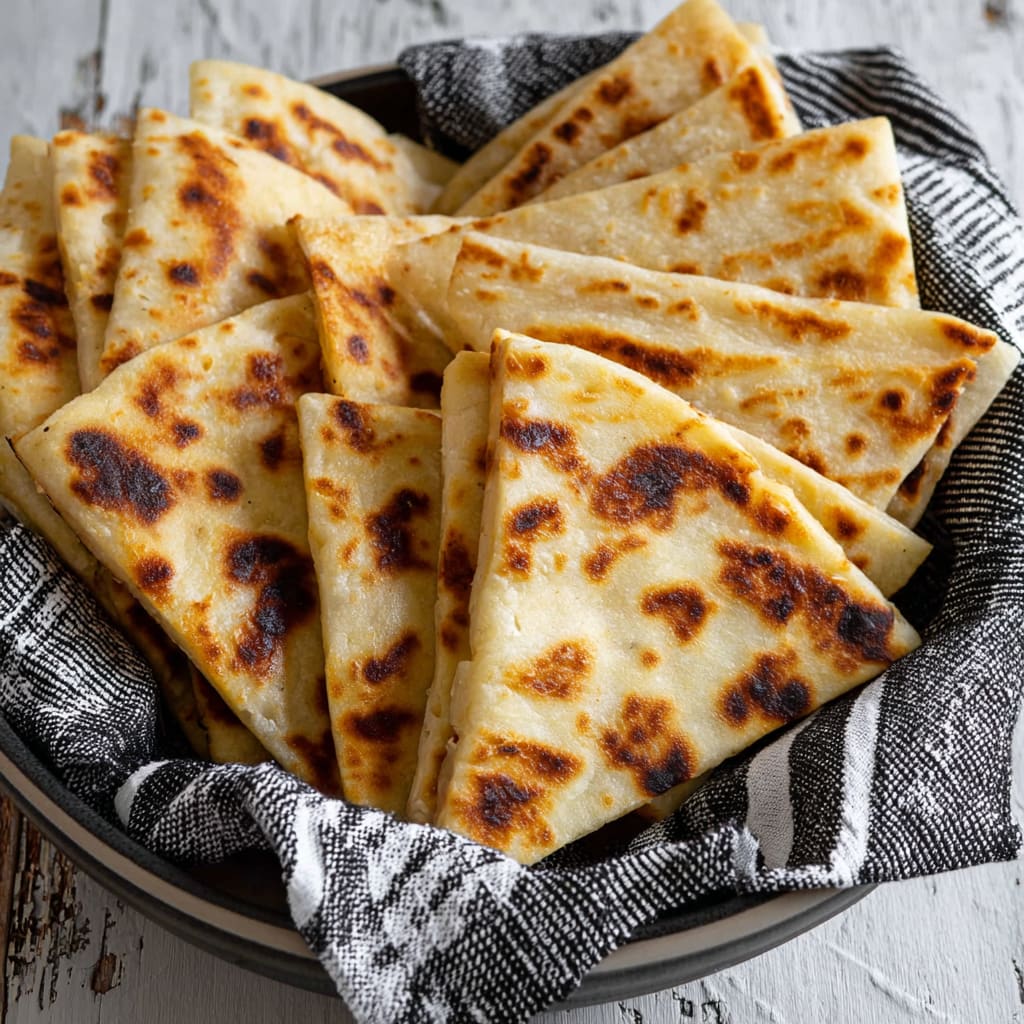
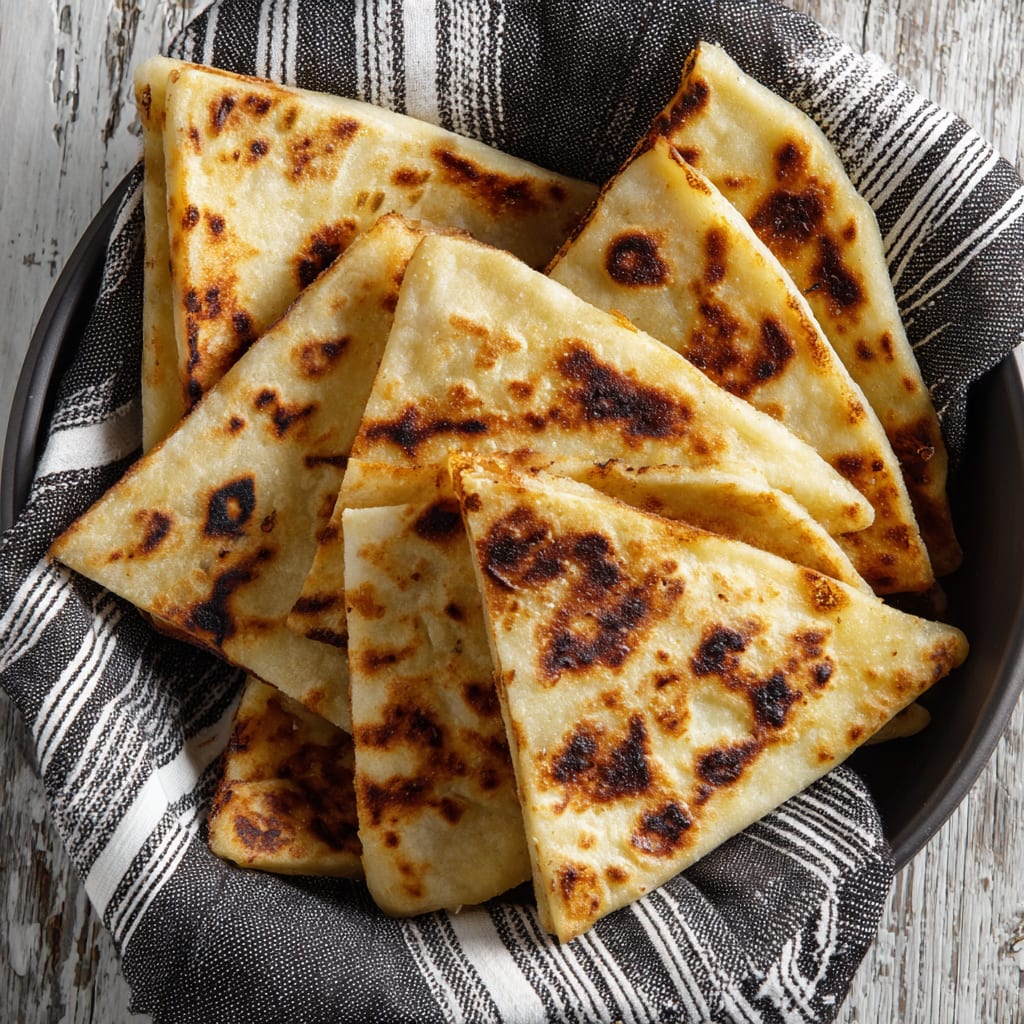
Warm, golden, and impossibly soft, Super Authentic Irish Potato Bread is one of those timeless recipes that wraps you in comfort from the very first bite. The crispy edges give way to a pillowy, tender interior that smells of butter and nostalgia. This beloved staple of Irish cuisine has graced breakfast tables for generations, and once you taste it fresh from the pan, you’ll understand exactly why. Simple ingredients, honest flavors, and a satisfying process make this recipe truly special. You’ll learn how to make this traditional Irish potato bread from scratch, including pro tips, variations, and serving ideas.
Why You’ll Love This Recipe
This Super Authentic Irish Potato Bread recipe is everything a home cook dreams of: straightforward, budget-friendly, and absolutely delicious. You only need four basic ingredients to create something that tastes like it came straight from a cozy Irish farmhouse kitchen. The texture strikes a perfect balance between soft and slightly crisp, especially when pan-fried in butter and olive oil until golden. Whether you serve it alongside a full Irish breakfast, slather it with jam, or enjoy it plain while still warm, every bite delivers pure satisfaction. The dough comes together quickly, requires no yeast or rising time, and cooks in minutes. Kids love it, adults adore it, and guests are always impressed. This traditional Irish potato flatbread is also wonderfully versatile, welcoming herbs, cheese, or scallions into the dough whenever you feel adventurous. It is the kind of recipe you will make again and again.
Ingredients List for the Super Authentic Irish Potato Bread
You only need a handful of pantry staples to bring this Super Authentic Irish Potato Bread to life. Gather everything before you start for a smooth and enjoyable cooking experience.
– 750 grams (1.65 lbs) potatoes
– 30 grams (6 teaspoons) butter, melted
– 225 grams (1 ½ cups) plain flour
– Good pinch of salt (omit if using salted butter)
– Extra butter and olive oil to fry
Pro Tips for Perfect Irish Potato Bread
Use a potato ricer for the smoothest texture. The single most important technique in making Super Authentic Irish Potato Bread is ensuring your mashed potato is completely lump-free. A potato ricer delivers a silky, even texture that a standard masher cannot always achieve. Lumpy mash leads to uneven dough that tears during rolling.
Cool your potatoes completely before mixing. Hot or warm potatoes will melt the butter unevenly and create a sticky dough that is very difficult to manage. Allowing them to cool fully gives you far better control over dough consistency and makes the entire process more enjoyable.
Flour your hands and surface generously. This dough leans naturally toward the stickier side, which is completely normal. Do not panic and do not overload the dough with flour all at once. Instead, dust your hands and rolling surface lightly and add small amounts of flour gradually until the dough becomes manageable without losing its characteristic softness.
Instructions
Step 1:
Peel and cut potatoes into quarters or large chunks. Add to a large pot of cold water. Bring potatoes to the boil, then reduce to a hard simmer. Cook potatoes until they are tender and cooked through.
Step 2:
Strain potatoes into a colander and leave to cool.
Step 3:
When the potatoes are cool enough to handle, place them in a potato ricer and rice your potatoes into a large bowl. Alternatively, use a potato masher and mash well, making sure there are no lumps.
Step 4:
Add the remaining ingredients to the bowl. If you are adding extra ingredients to spruce your Irish potato bread up, now is the time to do so. Further information is available above or in the recipe card’s note section.
Step 5:
Using a spoon, mix ingredients together until it becomes difficult to keep mixing.
Step 6:
Continue mixing the dough in the bowl with your hands. Check for dough consistency. If you find your dough a little too sticky to handle, add some more flour to make it manageable.
Step 7:
Remove dough from bowl and place on a lightly floured surface. Give it a quick knead until smooth. If you still find the dough a little too sticky, add some more flour while kneading. The dough is on the sticky side but should be manageable with flour-dusted hands. Divide the dough into six equal portions and shape into balls.
Step 8:
Working one at a time, place a ball of dough on a lightly floured surface. You can use a clean kitchen bench or a wooden board covered with baking paper.
Step 9:
Lightly flour a rolling pin and roll out the dough ball to the desired thickness. Use 3mm (one eighth of an inch) for thin bread, or half a centimeter (just under a quarter of an inch) for thicker bread.
Step 10:
Cut the rolled-out dough into quarters. Alternatively, you can cook them whole for larger pieces of Irish potato bread.
Step 11:
Place a non-stick frypan over medium heat. Add a splash of olive oil and a dollop of butter. Once the butter has melted, add pieces of dough to the pan. Fry on one side until golden, then turn them over with a spatula. Once the other side is golden and the bread is cooked through, remove from the pan.
Step 12:
Place the cooked Super Authentic Irish Potato Bread on a tray in the oven on low heat to keep warm. Make sure to cover the bread with aluminium foil to stop them from drying out. Continue cooking the rest of the dough. Add more butter and oil to the pan as needed.
Delicious Variations to Try
One of the greatest things about this classic Irish potato flatbread recipe is how effortlessly it adapts to different flavors and occasions.
Cheese and Scallion: Fold in a handful of grated sharp cheddar and two finely sliced scallions during Step 4. The cheese melts beautifully during frying and creates irresistible golden pockets of flavor throughout every piece.
Herbed Potato Bread: Add one teaspoon of dried rosemary, thyme, or chives directly into the dough mixture. Fresh herbs work wonderfully too and bring a bright, aromatic lift that pairs beautifully with soups and stews.
Garlic Butter Finish: After frying, brush each piece immediately with a mixture of melted butter and finely minced garlic. This simple addition transforms your Super Authentic Irish Potato Bread into an incredible side dish or appetizer that disappears within minutes.
Storage and Serving Suggestions
Super Authentic Irish Potato Bread is best enjoyed fresh and warm straight from the pan, but it stores beautifully for busy weekdays. Allow cooked pieces to cool completely, then place them in an airtight container or zip-lock bag. Store in the refrigerator for up to three days. To reheat, simply pop them back into a warm pan for one to two minutes per side or warm briefly in the oven wrapped in foil.
For serving, this Irish potato bread shines as part of a full Irish breakfast alongside eggs, bacon, and sausages. It is equally wonderful topped with smoked salmon and cream cheese, served beside a hearty bowl of soup, or simply enjoyed with a generous spread of salted butter and a drizzle of honey. Leftovers make an exceptional snack at any time of day.
Frequently Asked Questions
Can I make the dough ahead of time?
Yes, you can prepare the dough up to 24 hours in advance. Wrap it tightly in cling wrap and refrigerate. Allow it to come to room temperature for about 15 minutes before rolling and cooking.
What type of potato works best for Irish potato bread?
Floury or starchy potatoes such as Russets or Maris Piper work best. They mash smoothly and create a dough with the ideal soft, pliable texture.
Can I freeze cooked Irish potato bread?
Absolutely. Place cooled pieces in a single layer on a baking tray, freeze until solid, then transfer to a freezer bag. They keep well for up to two months and reheat directly from frozen in a warm pan.
Why is my dough too sticky to roll?
This is completely normal. The dough is naturally sticky due to the high potato moisture content. Simply dust your hands, rolling pin, and surface generously with flour and work gradually until manageable.
Can I bake this instead of frying?
Frying in butter and olive oil is strongly recommended for the authentic flavor and golden crust that makes this recipe special. Baking at 200°C (390°F) is possible but will produce a drier, less flavorful result without the characteristic crispy edges.

Super Authentic Irish Potato Bread
- Prep Time: 15 mins
- Cook Time: 30 mins
- Total Time: 45 mins
- Yield: 4 people 1x
- Category: Breakfast
- Method: Cooking
- Cuisine: American
Description
Discover the secret to making Super Authentic Irish Potato Bread with our easy recipe! Enjoy a taste of Ireland today.
Ingredients
- 750 grams (1.65 lbs) potatoes
- 30 grams (6 teaspoons) butter ( melted)
- 225 grams (1 ½ cups) plain flour
- Good pinch o salt ( omit if using salted butter)
- Extra butter and olive oil to fry
Instructions
- Step 1: Peel and cut potatoes into quarters or large chunks. Add to a large pot of cold water.Bring potatoes to the boil, then reduce to a hard simmer. Cook potatoes until they are tender and cooked through.
- Step 2: Strain potatoes into a colander and leave to cool.
- Step 3: When the potatoes are cool enough to handle place in a potato ricer and rice/mash your potatoes into a large bowl.Alternatively use a potato masher and mash well making sure there are no lumps.
- Step 4: Add the remaining ingredients to the bowl.If you are adding extra ingredients to spruce your Irish potato bread up, now is the time to do so. Further information above or in the recipe card’s note section.
- Step 5: Using a spoon mix ingredients together until it becomes difficult to keep mixing.
- Step 6: Continue mixing the dough in the bowl with your hands.Check for dough consistency.If you find your dough a little too sticky to handle, add some more flour to make it manageable.
- Step 7: Remove dough from bowl and place on a lightly floured surface. Give it a quick knead until smooth.If you still find the dough a little too sticky add some more flour while kneading.The dough is on the sticky side, but should be manageable with flour dusted hands.Divide the dough into six equal portions and shape into balls.
- Step 8: Working one at a time place a ball of dough on a lightly floured surface.You can use a clean kitchen bench, or wooden board that has been covered with some baking paper.
- Step 9: Lightly flour a rolling pin and roll out the dough ball to the desired thickness.3mm (one eighth of an inch) for thin, or half a centimeter (just under a quarter of an inch) for thicker bread.
- Step 10: Cut the rolled out dough into quarters.Alternatively, you can cook them whole for larger pieces of Irish potato bread.
- Step 11: Place a non-stick frypan over medium heat. Add a splash of olive oil and a dollop of butter.Once the butter has melted add pieces of dough to the pan.Fry on one side until golden, then turn them over with a spatular. Once the other side is golden and the bread is cooked through remove from the pan.
- Step 12: Place the cooked Irish potato bread on a tray in the oven on low heat to keep warm. Make sure to cover the bread with aluminium foil to stop them from drying out. Continue cooking the rest of the dough. Add more butter and oil to the pan as needed.
Notes
Try This Recipe and Leave a comment Below, your opinion matters to me!
Nutrition
- Serving Size: 4 serving
- Calories: 400
- Sugar: 5g
- Sodium: 400mg
- Fat: 10g
- Saturated Fat: 3g
- Unsaturated Fat: 7g
- Trans Fat: 0g
- Carbohydrates: 40g
- Fiber: 5g
- Protein: 15g
- Cholesterol: 50mg