
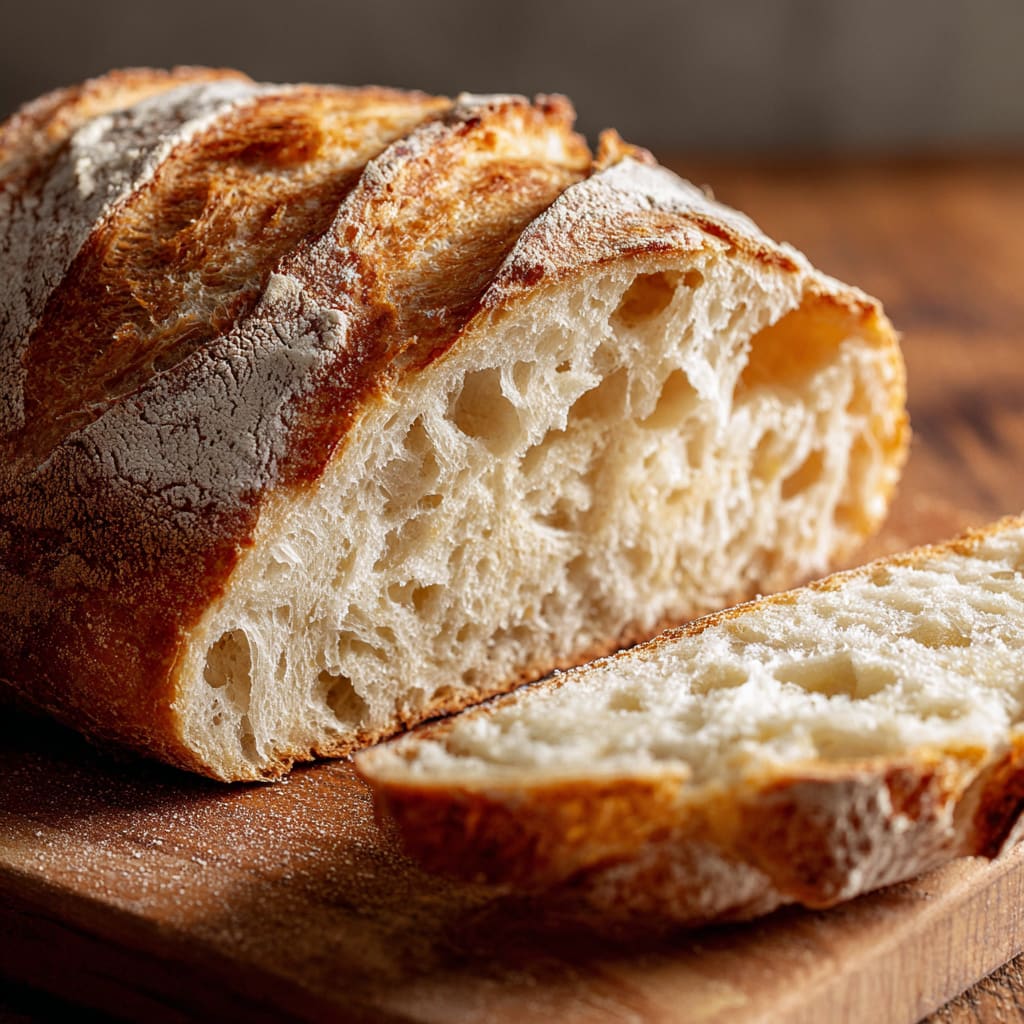
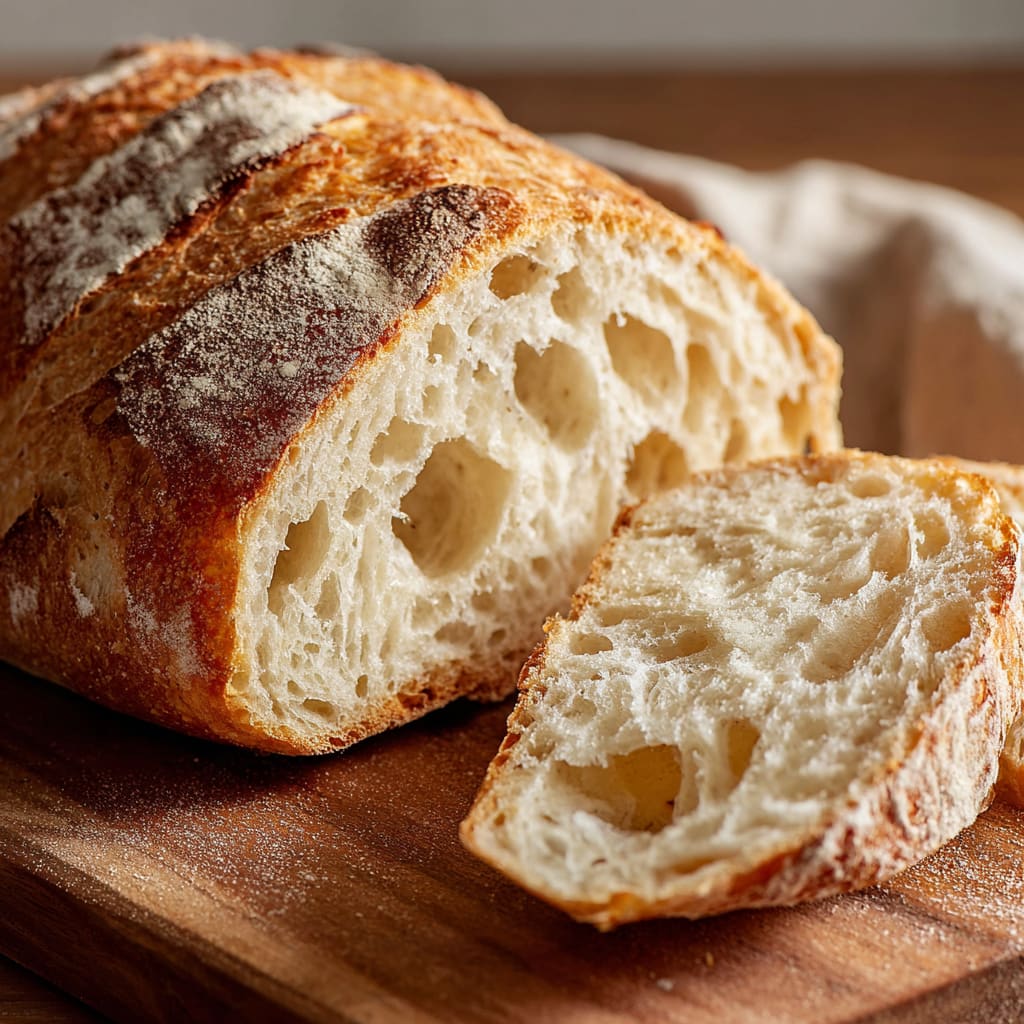
The aroma of freshly baked Sourdough Discard French Bread wafting through your kitchen is truly one of life’s simple pleasures. This crusty, golden loaf combines the tangy complexity of sourdough with the classic texture of French bread, creating a versatile staple that elevates any meal. By repurposing your sourdough discard, you’ll transform what might otherwise go to waste into an artisanal bread with depth of flavor that store-bought varieties simply can’t match. You’ll learn how to create bakery-quality Sourdough Discard French Bread at home with a perfect balance of crackly crust and tender, airy crumb that will impress family and friends alike.
Why You’ll Love This Recipe
This Sourdough Discard French Bread recipe stands out from ordinary bread for several compelling reasons. First, it’s the ultimate solution for using your sourdough discard productively while adding complex flavor dimensions to a classic French bread. The contrast between the crackling, golden exterior and the soft, pillowy interior creates a textural masterpiece that makes each bite satisfying.
What makes this recipe especially appealing is its accessibility. While traditional French bread can be intimidating, this hybrid approach combines the convenience of commercial yeast with the flavor benefits of sourdough discard. This means you’ll get reliable rise and that distinctive sourdough tang without the lengthy fermentation typically required for pure sourdough recipes.
The honey in the dough adds subtle sweetness that balances the tang from the discard, while the coconut oil contributes to a wonderfully tender crumb structure. You’ll also appreciate how this bread maintains its freshness longer than typical homemade bread, thanks to the natural preservative qualities of the sourdough culture. Whether you’re a seasoned baker or new to bread making, this recipe delivers professional results with straightforward techniques.
Ingredients List for the Sourdough Discard French Bread
These carefully selected ingredients work together to create the perfect balance of flavor, texture, and structure in your Sourdough Discard French Bread. The combination of discard and commercial yeast gives you the best of both worlds—complex flavor and reliable rise.
- 200 grams sourdough discard (hydrated at 100%, roughly 3/4 cup)
- 430 grams warm water (approximately 1 3/4 cups)
- 40 grams honey (around 2 tablespoons)
- 10 grams instant yeast (near 1 tablespoon)
- 70 grams coconut oil (or other neutral oil, roughly 1/3 cup)
- 20 grams salt (about 1 tablespoon)
- 860 grams bread flour (close to 6 cups)
Pro Tips
Creating exceptional Sourdough Discard French Bread comes down to mastering a few key techniques that will elevate your bread from good to great:
First, temperature control is crucial. For optimal yeast activity, ensure your water is warm (about 95-105°F) but not hot, which would kill the yeast. The ideal room temperature for rising is around 75°F. If your kitchen is cooler, create a warm environment by briefly heating your oven, then turning it off and placing the dough inside with the door cracked.
Second, proper scoring makes a significant difference. Use a very sharp blade (a lame or razor) to make decisive, 1/4-inch deep cuts at a 45-degree angle just before baking. This controlled expansion prevents random bursting and creates that beautiful artisanal appearance.
Finally, creating steam in your oven is essential for that authentic crispy crust. Place a cast iron pan on the bottom rack while preheating, then add a cup of ice cubes or boiling water to it when you put your loaves in. This burst of steam helps the bread expand fully before the crust sets and creates that characteristic crackling exterior that defines great French bread.
Instructions
Step 1: In a large mixing bowl, combine 200 grams sourdough discard (hydrated at 100%, roughly 3/4 cup) with 430 grams warm water (approximately 1 3/4 cups). Stir until the discard is fully dissolved in the water.
Step 2: Add 40 grams honey (around 2 tablespoons) and 10 grams instant yeast (near 1 tablespoon) to the mixture. Stir gently and let sit for about 5 minutes until the yeast becomes foamy, indicating it’s activated.
Step 3: Mix in 70 grams coconut oil (or other neutral oil, roughly 1/3 cup) and 20 grams salt (about 1 tablespoon) until well incorporated.
Step 4: Gradually add 860 grams bread flour (close to 6 cups), starting with about two-thirds of the flour. Mix until a shaggy dough forms, then add the remaining flour as needed until the dough pulls away from the sides of the bowl.
Step 5: Turn the dough onto a lightly floured surface and knead for 8-10 minutes until smooth and elastic. The dough should pass the windowpane test – when a small piece can be stretched thin enough to see light through without tearing.
Step 6: Place the dough in a lightly oiled bowl, cover with plastic wrap or a damp cloth, and let rise in a warm place for 1-1.5 hours, or until doubled in size.
Step 7: Gently deflate the dough and divide it into two equal portions. Shape each portion into a tight oblong loaf by flattening into a rectangle, then folding the long sides toward the center and rolling tightly.
Step 8: Place the shaped loaves on a parchment-lined baking sheet or in a floured proofing basket. Cover loosely and let rise for another 45-60 minutes, until puffy but not quite doubled.
Step 9: Preheat your oven to 450°F (232°C) with a cast iron pan on the bottom rack. If using a baking stone, place it on the middle rack during preheating.
Step 10: Just before baking, score the loaves with a sharp blade, making 3-4 diagonal slashes across each loaf.
Step 11: Transfer loaves to the oven (on the stone if using) and pour 1 cup of ice cubes or hot water into the preheated cast iron pan to create steam.
Step 12: Bake for 25-30 minutes until the crust is deeply golden and the bread sounds hollow when tapped on the bottom. Cool completely on a wire rack before slicing.
Variations
The versatility of Sourdough Discard French Bread opens up exciting possibilities for customization. For a Rustic Herb version, add 2 tablespoons of fresh rosemary, thyme, and oregano (or 2 teaspoons dried) along with 1-2 cloves of minced garlic to the dough during the initial mixing. The herbs infuse throughout the bread, creating an aromatic loaf perfect for serving with Italian dishes.
For a Whole Grain adaptation, substitute up to 30% (about 260 grams) of the bread flour with whole wheat flour. This creates a nuttier flavor profile with additional nutritional benefits while maintaining much of the light texture. You may need to increase the water by 20-30 grams to account for the higher absorption of whole grain flour.
Seeking a sweeter option? Try a Cinnamon Raisin version by adding 2 teaspoons of cinnamon, 1/2 cup of raisins, and an extra tablespoon of honey to the dough. This variation makes exceptional toast and French toast for breakfast indulgence.
Storage and Serving
Your freshly baked Sourdough Discard French Bread will maintain peak quality for 2-3 days when stored properly. Once completely cooled, keep it at room temperature in a bread bag or wrapped in a clean kitchen towel. Avoid refrigerating, as this accelerates staling, though you can freeze the bread for up to 3 months by wrapping it tightly in plastic wrap and then aluminum foil.
For serving, this versatile bread shines in multiple settings. Slice it diagonally into thick pieces for an impressive bruschetta appetizer, topped with diced tomatoes, basil, and olive oil. It makes exceptional sandwiches that won’t collapse under hearty fillings – try it with roast beef, horseradish cream, and arugula for a memorable lunch.
Perhaps most traditionally, serve warm slices alongside soups and stews, where the bread’s structure allows it to maintain integrity even when dipped. For a simple yet elegant option, serve with good quality salted butter and a selection of cheeses as part of a charcuterie board. The tanginess of the sourdough particularly complements creamy, rich cheeses like brie or camembert.
FAQs
Can I use active dry yeast instead of instant yeast?
Yes, you can substitute active dry yeast for instant yeast in this Sourdough Discard French Bread recipe. Use the same amount (10g), but dissolve it in the warm water with a pinch of sugar before adding to the mixture, and allow 5-10 minutes for it to activate and become foamy.
My sourdough discard is older – can I still use it?
Absolutely! Older discard (up to 2 weeks refrigerated) often has a stronger tang, which can add more complex flavor to your Sourdough Discard French Bread. As long as it doesn’t show signs of mold or an off-smell beyond normal sourness, it’s perfectly fine to use.
Can I make this recipe without commercial yeast?
Yes, but it becomes a different recipe. Without commercial yeast, you’d need to use more active starter (not discard) and extend fermentation times significantly. The resulting bread would be traditional sourdough rather than this hybrid Sourdough Discard French Bread.
Why didn’t my bread get a crispy crust?
The crispy crust depends largely on steam during the first part of baking. Ensure you’re creating enough steam in the oven and baking at a high enough temperature. Also, avoid opening the oven door during the first 15 minutes of baking.
Can I make smaller rolls instead of two large loaves?
Certainly! This Sourdough Discard French Bread dough works beautifully for dinner rolls or baguettes. For rolls, divide into 12-16 portions, shape into balls, and reduce baking time to about 15-20 minutes. For baguettes, divide into 3-4 pieces, shape into long thin loaves, and bake for approximately 20-25 minutes.
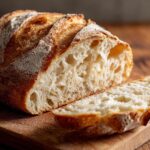
Sourdough Discard French Bread
- Prep Time: 15 mins
- Cook Time: 30 mins
- Total Time: 45 mins
- Yield: 4 people 1x
- Category: Dinner
- Method: Cooking
- Cuisine: American
Description
Discover how to make delicious Sourdough Discard French Bread easily at home. Reduce food waste and enjoy fresh baked bread. Try it now!
Ingredients
- 200 grams sourdough discard (hydrated at 100%, roughly 3/4 cup)
- 430 grams warm water (approximately 1 3/4 cups)
- 40 grams honey (around 2 tablespoons)
- 10 grams instant yeast (near 1 tablespoon)
- 70 grams coconut oil (or other neutral oil, roughly 1/3 cup)
- 20 grams salt (about 1 tablespoon)
- 860 grams bread flour (close to 6 cups)
Instructions
- Step 1: 200 grams sourdough discard (hydrated at 100%, roughly 3/4 cup).
- Step 2: 430 grams warm water (approximately 1 3/4 cups).
- Step 3: 40 grams honey (around 2 tablespoons).
- Step 4: 10 grams instant yeast (near 1 tablespoon).
Notes
Try This Recipe and Leave a comment Below, your opinion matters to me!
Nutrition
- Serving Size: 4 serving
- Calories: 400
- Sugar: 5g
- Sodium: 400mg
- Fat: 10g
- Saturated Fat: 3g
- Unsaturated Fat: 7g
- Trans Fat: 0g
- Carbohydrates: 40g
- Fiber: 5g
- Protein: 15g
- Cholesterol: 50mg