
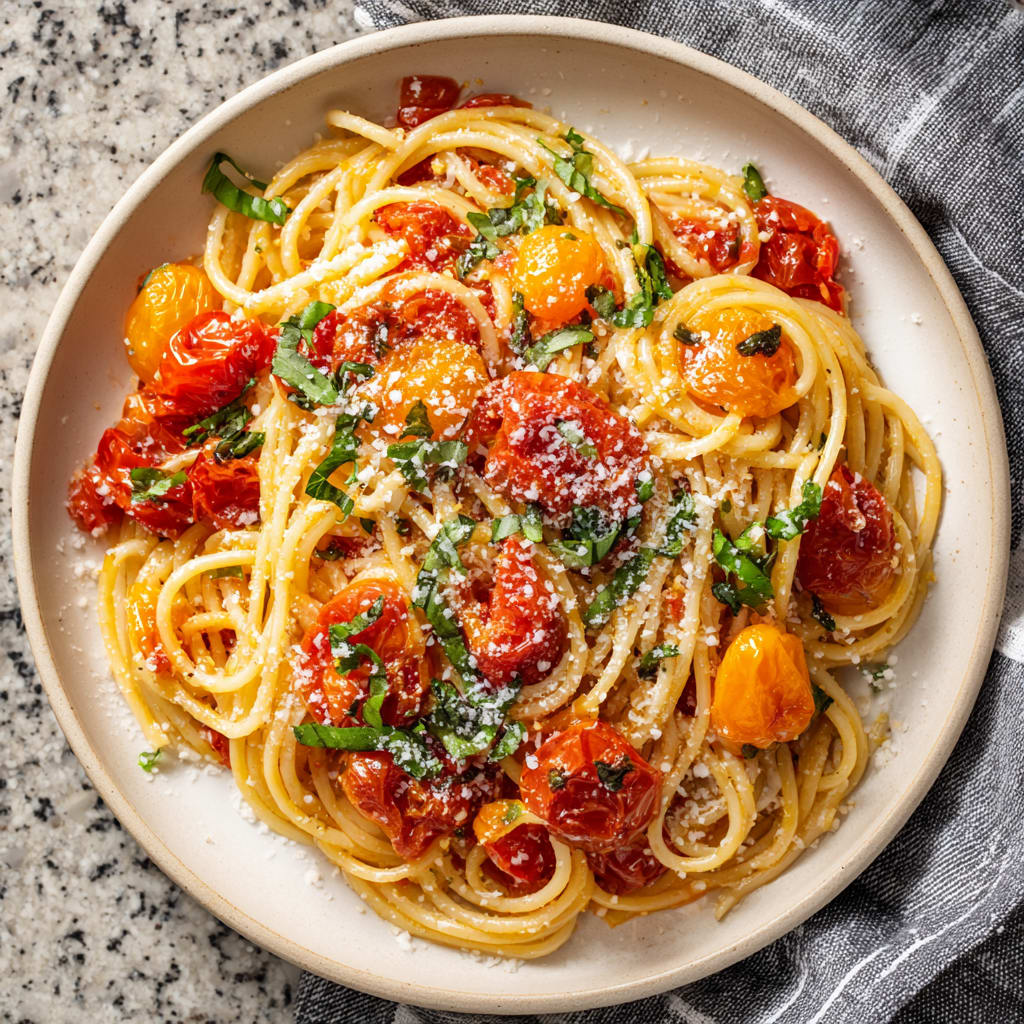
Imagine twirling your fork through a perfectly cooked strand of pasta, coated in a vibrant, aromatic sauce where sweet tomatoes and fragrant basil dance together in perfect harmony. This Tomato Basil Pasta is summer captured in a bowl—bright, fresh, and bursting with classic Italian flavors that transport you straight to a sunny Mediterranean terrace. The balance of acidic tomatoes, herbaceous basil, and rich olive oil creates a symphony of flavors that’s both comforting and sophisticated. You’ll learn how to transform simple ingredients into a restaurant-worthy dish that’s ready in under 30 minutes, perfect for both weeknight dinners and special occasions.
Why You’ll Love This Recipe
This Tomato Basil Pasta recipe stands out for its sublime simplicity and extraordinary flavor. Unlike heavy cream-based pasta dishes, this one celebrates the pure, clean tastes of fresh ingredients that shine through with every bite. The sauce clings perfectly to the pasta, creating a silky texture that contrasts beautifully with the slight chew of al dente noodles.
What makes this dish truly special is the magic that happens when ripe tomatoes release their juices and meld with fruity olive oil and aromatic garlic. The torn basil leaves add bursts of fresh, peppery notes that awaken your palate. Best of all, this impressive dish requires minimal effort—just a handful of ingredients and about 20 minutes of your time.
Home cooks of all skill levels will appreciate how this recipe delivers maximum flavor with minimal fuss. The ingredients work together to create a dish that feels both elevated and comforting—the perfect balance of sophisticated and accessible.
Ingredients
For this classic Tomato Basil Pasta, you’ll need:
• 1 pound (450g) pasta (spaghetti, linguine, or penne work beautifully)
• 2 pounds (900g) ripe tomatoes, diced (Roma or cherry tomatoes are ideal)
• 4 tablespoons (60ml) extra virgin olive oil
• 4 garlic cloves, thinly sliced
• 1 cup (25g) fresh basil leaves, torn or roughly chopped
• ½ teaspoon red pepper flakes (optional)
• ½ cup (50g) freshly grated Parmesan cheese, plus more for serving
• Salt and freshly ground black pepper to taste
The quality of tomatoes makes a significant difference in this dish—seek out the ripest, most fragrant tomatoes you can find. For basil, look for vibrant green leaves with a strong, aromatic scent. The olive oil should be high-quality extra virgin for the best flavor profile. While you can use pre-grated cheese in a pinch, freshly grated Parmesan delivers superior meltability and depth of flavor.
Pro Tips
Achieving restaurant-quality Tomato Basil Pasta at home comes down to a few critical techniques that elevate this simple dish:
Salt Your Pasta Water Generously: Think of pasta water as your first seasoning opportunity. It should taste as salty as seawater (about 1-2 tablespoons of salt per 4 quarts/liters of water). This seasons the pasta from within as it cooks, creating a flavorful foundation.
Cook Pasta Al Dente: Always cook your pasta 1-2 minutes less than package instructions suggest. The pasta will continue cooking slightly when tossed with the hot sauce. This ensures a perfect texture—tender but with a slight resistance when bitten. Remember that overcooked pasta can quickly turn mushy and ruin an otherwise perfect dish.
Reserve Pasta Water: Before draining, scoop out at least ½ cup of starchy pasta water. This magical liquid contains starches released from the pasta and helps the sauce adhere to the noodles while adding silkiness to the final dish. Adding just a splash when combining the pasta and sauce creates an emulsion that binds everything together beautifully.
Instructions
Step 1
Bring a large pot of water to a rolling boil. Add 1-2 tablespoons of salt—the water should taste salty like the sea. Add your pasta and cook until al dente, usually 1-2 minutes less than package instructions suggest. Before draining, reserve ½ cup of the pasta cooking water.
Step 2
While the pasta cooks, prepare your sauce. In a large, deep skillet, heat the olive oil over medium heat. Add the sliced garlic and red pepper flakes (if using) and cook for 1-2 minutes until the garlic becomes fragrant and just barely golden. Be careful not to let it brown or burn, as this will create bitterness.
Step 3
Add the diced tomatoes to the skillet with a pinch of salt and pepper. Increase the heat to medium-high and cook, stirring occasionally, for about 5-7 minutes. The tomatoes should break down slightly and release their juices, creating a light sauce. If you prefer a smoother texture, you can gently mash some of the tomatoes with the back of your spoon.
Step 4
Drain the pasta, remembering your reserved pasta water. Immediately add the hot pasta directly to the skillet with the tomato sauce. Toss everything together, adding splashes of the reserved pasta water as needed to create a silky sauce that coats each strand of pasta beautifully.
Step 5
Remove the skillet from heat and add most of the torn basil leaves and grated Parmesan. Toss gently to incorporate. Taste and adjust seasoning with additional salt and pepper if needed. The residual heat will wilt the basil just enough to release its aromatic oils without destroying its fresh flavor.
Step 6
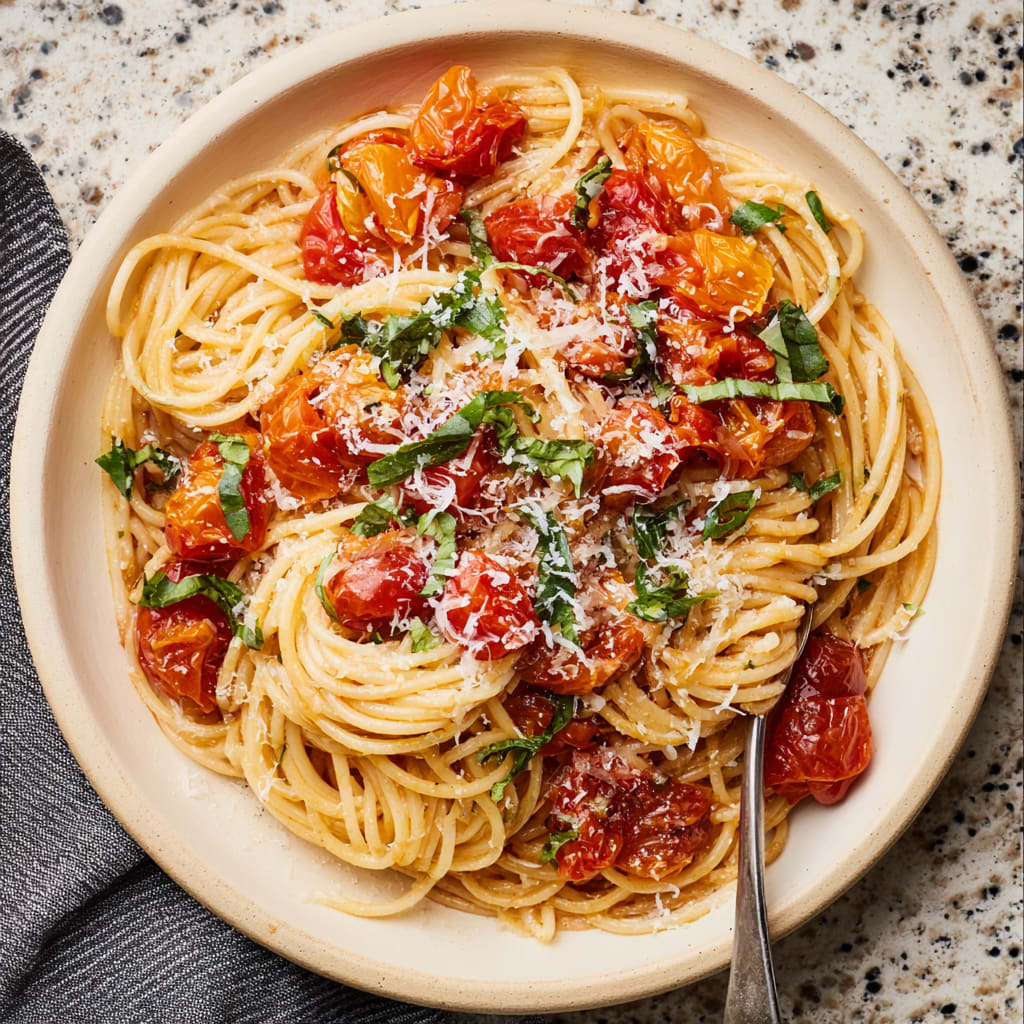
Serve your Tomato Basil Pasta immediately in warm bowls, garnished with the remaining fresh basil leaves and additional Parmesan cheese. A final drizzle of high-quality olive oil just before serving adds a luxurious finishing touch that elevates the entire dish.
Variations
This versatile Tomato Basil Pasta recipe can be easily adapted to suit different tastes and dietary needs:
Protein-Packed Version: Transform this dish into a heartier meal by adding protein. Sauté shrimp until pink and just cooked through, then add them to the finished pasta. Alternatively, grilled chicken breast, sliced into strips, makes an excellent addition. For a vegetarian protein boost, add a can of drained and rinsed white beans or chickpeas when you add the tomatoes to the skillet.
Creamy Tomato Basil Pasta: For those who love a richer sauce, stir in ¼ cup of heavy cream or mascarpone cheese just before adding the pasta to the sauce. This creates a luxurious, velvety texture while still maintaining the bright tomato flavor. The cream mellows the acidity of the tomatoes, creating a more balanced, indulgent dish.
Gluten-Free Option: This sauce works beautifully with gluten-free pasta varieties. Rice, corn, or chickpea pasta all pair wonderfully with the tomato basil sauce. Just be sure to check the cooking time on your gluten-free pasta, as it often differs from traditional wheat pasta, and reserve extra pasta water as gluten-free varieties can sometimes be starchier.
Storage and Serving
Your Tomato Basil Pasta will keep well in an airtight container in the refrigerator for up to 3 days. To reheat, add a splash of water or olive oil and warm gently in a skillet over medium-low heat, stirring frequently. You can also microwave it, covered, at 50% power, stirring halfway through. The flavor often deepens after a day, making leftovers particularly delicious.
For serving, pair this vibrant pasta with a simple arugula salad dressed with lemon juice and olive oil to complement the tomato sauce without overwhelming it. A side of garlic bread provides the perfect vehicle for soaking up any remaining sauce. For a more substantial meal, serve alongside grilled vegetables or a caprese salad that echoes the tomato-basil theme.
This dish shines with a glass of crisp white wine like Pinot Grigio or a light red like Chianti. For a non-alcoholic option, sparkling water with a squeeze of lemon beautifully cuts through the richness of the pasta while cleansing the palate between bites.
FAQs
Can I use canned tomatoes instead of fresh?
Yes, when fresh tomatoes aren’t in season, you can substitute one 28-ounce (800g) can of whole peeled tomatoes, drained and roughly chopped. San Marzano tomatoes offer the best flavor for this Tomato Basil Pasta.
Is there a substitute for fresh basil?
While fresh basil provides the signature flavor, in a pinch you can use 1-2 tablespoons of dried basil added earlier in the cooking process. However, the dish won’t have quite the same bright, aromatic quality that makes fresh basil so special.
Can I make this sauce ahead of time?
Absolutely! The sauce can be prepared up to 2 days in advance and stored in the refrigerator. Reheat gently before tossing with freshly cooked pasta and add fresh basil just before serving.
Why is my sauce watery?
If your sauce seems too thin, you may be using very juicy tomatoes or not cooking them long enough. Extend the simmering time to reduce excess moisture, or add a tablespoon of tomato paste to thicken the sauce.
What’s the best pasta shape for this sauce?
Long pasta shapes like spaghetti, linguine, or bucatini work beautifully as they wrap around your fork with the sauce. However, short shapes like penne or fusilli are excellent for catching sauce in their ridges and crevices, creating the perfect bite every time.
Tomato Basil Pasta
- Prep Time: 10 minutes
- Cook Time: 15 minutes
- Total Time: 25 minutes
- Yield: 4 servings 1x
- Category: Dinner
- Method: Sautéing and simmering
- Cuisine: Americaine
Description
Tomato Basil Pasta: Fresh tomatoes, fragrant basil, and garlic come together in this easy, comforting, and crowd-pleasing pasta dish.
Ingredients
- 1 pound (450g) pasta (spaghetti, linguine, or penne work beautifully)
- 2 pounds (900g) ripe tomatoes, diced (Roma or cherry tomatoes are ideal)
- 4 tablespoons (60ml) extra virgin olive oil
- 4 garlic cloves, thinly sliced
- 1 cup (25g) fresh basil leaves, torn or roughly chopped
- ½ teaspoon red pepper flakes (optional)
- ½ cup (50g) freshly grated Parmesan cheese, plus more for serving
- Salt and freshly ground black pepper to taste
Instructions
- Step 1: Bring a large pot of water to a rolling boil. Add 1-2 tablespoons of salt—the water should taste salty like the sea. Add your pasta and cook until al dente, usually 1-2 minutes less than package instructions suggest. Before draining, reserve ½ cup of the pasta cooking water.
- Step 2: While the pasta cooks, prepare your sauce. In a large, deep skillet, heat the olive oil over medium heat. Add the sliced garlic and red pepper flakes (if using) and cook for 1-2 minutes until the garlic becomes fragrant and just barely golden. Be careful not to let it brown or burn, as this will create bitterness.
- Step 3: Add the diced tomatoes to the skillet with a pinch of salt and pepper. Increase the heat to medium-high and cook, stirring occasionally, for about 5-7 minutes. The tomatoes should break down slightly and release their juices, creating a light sauce. If you prefer a smoother texture, you can gently mash some of the tomatoes with the back of your spoon.
- Step 4: Drain the pasta, remembering your reserved pasta water. Immediately add the hot pasta directly to the skillet with the tomato sauce. Toss everything together, adding splashes of the reserved pasta water as needed to create a silky sauce that coats each strand of pasta beautifully.
- Step 5: Remove the skillet from heat and add most of the torn basil leaves and grated Parmesan. Toss gently to incorporate. Taste and adjust seasoning with additional salt and pepper if needed. The residual heat will wilt the basil just enough to release its aromatic oils without destroying its fresh flavor.
- Step 6: Serve your Tomato Basil Pasta immediately in warm bowls, garnished with the remaining fresh basil leaves and additional Parmesan cheese. A final drizzle of high-quality olive oil just before serving adds a luxurious finishing touch that elevates the entire dish.
Notes
Fresh ingredients will always yield the best flavor results.
Nutrition
- Serving Size: 1 plate (approximately 1/4 of the recipe)
- Calories: 450 calories per serving
- Sugar: 6 grams
- Sodium: 450 mg
- Fat: 18 grams
- Saturated Fat: 4 grams
- Unsaturated Fat: 12 grams
- Trans Fat: 0 grams
- Carbohydrates: 60 grams
- Fiber: 4 grams
- Protein: 12 grams
- Cholesterol: 10 mg